
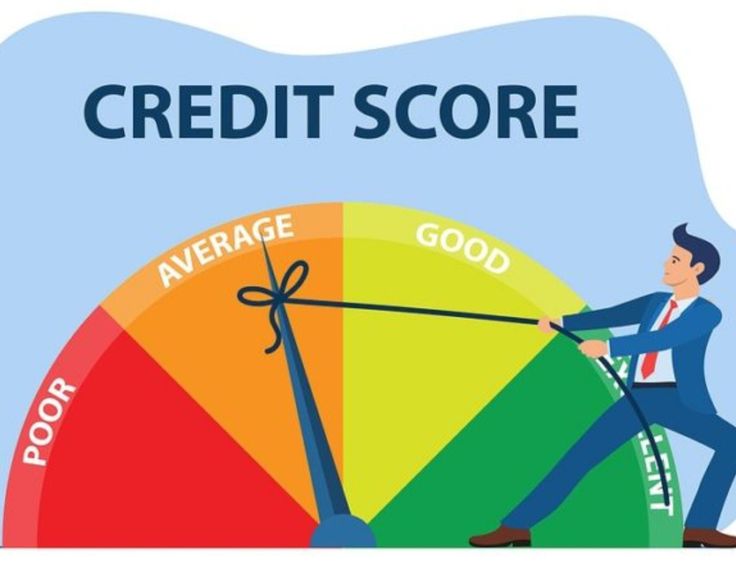

 Why is a 750+ CIBIL Score Important?
Having a high CIBIL score offers several benefits:
 Easy Loan Approval
Banks and financial institutions prefer customers with a high credit score because they are considered low-risk borrowers.
Lower Interest Rates
A higher score can help you negotiate better interest rates, saving you a significant amount of money over time.
Higher Credit Limits
With a strong credit profile, you may get higher credit limits on your cards.
Faster Processing
Loan approvals become quicker and smoother with fewer documentation requirements.
 How to Increase CIBIL Score to 750+
Improving your credit score requires consistency and discipline. Below are the most effective strategies:
1. Pay Your Bills on Time
Payment history is the most important factor affecting your CIBIL score.
Even a single missed payment can reduce your score significantly. Always ensure that:
- Credit card bills are paid before the due date
- Loan EMIs are never missed
 Tip: Set reminders or enable auto-pay to avoid delays.
2. Maintain a Low Credit Utilization Ratio
Credit utilization is the percentage of your total credit limit that you are using.
Ideal Rule: Keep it below 30%
Example:
If your total credit limit is ₹1,00,000, try not to spend more than ₹30,000.
High utilization signals financial stress and negatively impacts your score.
3. Avoid Applying for Multiple Loans or Cards
Every time you apply for a loan or credit card, the lender performs a hard inquiry on your credit report.
Too many inquiries in a short time can reduce your score.
Apply only when necessary and avoid multiple applications at once.
4. Keep Old Credit Accounts Active
Your credit history length plays a crucial role in your score.
Older accounts show stability and reliability.
Avoid closing old credit cards unless absolutely necessary.
5. Check Your Credit Report Regularly
Errors in your credit report can also affect your score.
Common issues include:
- Incorrect late payments
- Duplicate accounts
- Wrong personal details
Always review your report and raise disputes if needed.
6. Maintain a Healthy Credit Mix
A mix of secured and unsecured credit improves your profile.
- Secured Loans: Home loan, car loan
- Unsecured Loans: Credit card, personal loan
A balanced mix shows that you can handle different types of credit responsibly.
7. Always Pay Full Outstanding Amount
Paying only the minimum due on your credit card increases interest and damages your score.
Always try to pay the full amount to maintain a healthy credit profile.
8. Increase Your Credit Limit
A higher credit limit reduces your credit utilization ratio.
You can request your bank to increase your credit limit based on your repayment history.
9. Use Credit Cards Smartly
Credit cards are powerful tools when used correctly.
- Avoid unnecessary spending
- Use them for planned purchases
- Pay bills on time
10. Set Up Auto-Pay
To ensure timely payments, set up auto-debit for:
- Credit card bills
- Loan EMIs
This reduces the risk of missing payments.
 Common Mistakes That Lower CIBIL Score
Avoid these mistakes if you want to maintain or improve your score:
- Missing EMI payments
- High credit card usage
- Applying for too many loans
- Ignoring credit report errors
- Closing old accounts
- Paying only minimum due
 How Long Does It Take to Improve CIBIL Score?
Improving your score takes time and consistency.
- Minor improvements: 30–60 days
- Significant improvement: 3–6 months
The key is to follow disciplined financial habits.
 Quick Tips to Boost Your Score Faster
- Clear all outstanding dues immediately
- Reduce credit card usage
- Avoid new loan applications
- Keep monitoring your credit report
- Use credit responsibly
 What to Do If Your Score is Very Low (Below 650)?
If your score is very low, follow these steps:
Get a Secured Credit Card
A secured card against FD can help build your credit history with ubs netowork.
Take a Small Loan
Repay a small loan regularly to improve your score.
Avoid Defaults
Do not miss any payments going forward.
 Factors That Affect Your CIBIL Score
Understanding these factors can help you manage your score better:
- Payment history (most important)
- Credit utilization
- Length of credit history
- Credit mix
- Number of inquiries
 Expert Strategy for Faster Improvement
If you want to reach 750+ quickly:
- Pay all dues immediately
- Reduce utilization below 30%
- Avoid new applications
- Maintain consistent payments for 3 months
You will start seeing improvement within 60–90 days.
 Conclusion
Increasing your CIBIL score to 750+ is not difficult if you follow the right approach. It requires discipline, timely payments, and smart credit usage.
A strong credit score opens the door to better financial opportunities, including easy loan approvals, lower interest rates, and higher credit limits.
Start today, follow these strategies, and take control of your financial future.